
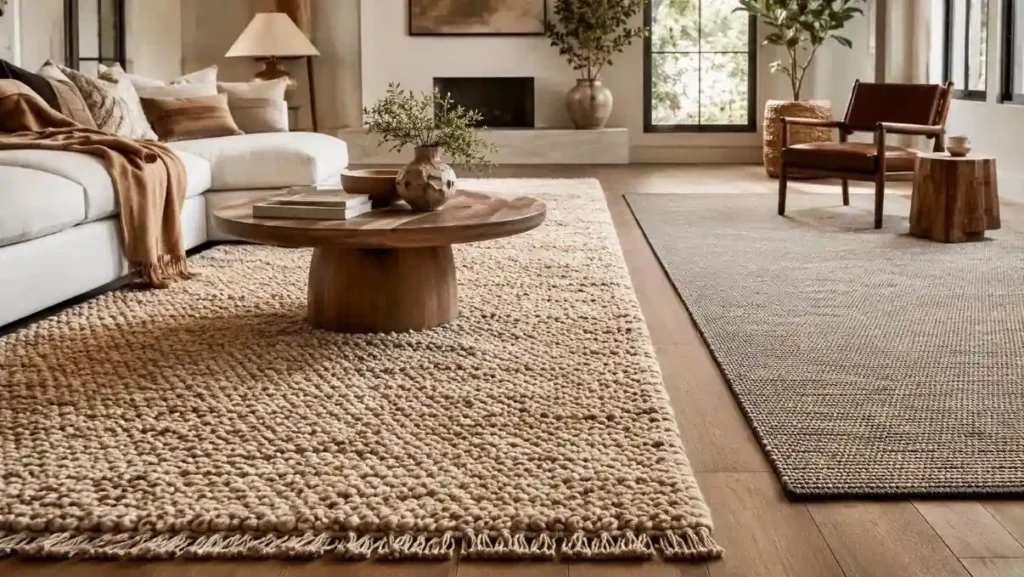
Wool Rugs vs Synthetic Rugs: Why Natural Fibre Rugs Are Worth the Price
You find two rugs that look nearly identical the same size, with a similar design and comparable colour. One is wool rug and another rug is made of synthetic material. The wool rug costs noticeably more. So, you start wondering that is the difference is based on material or what Or is ‘natural fibre’ just a premium label on the same product?
The difference is real and by the end of this guide, you’ll understand exactly why, not because of marketing language but because of how these two materials actually behave in a home over time. We’ll cover durability, feel, health, sustainability, character and value, so you can make a decision. You won’t regret two years down the line.
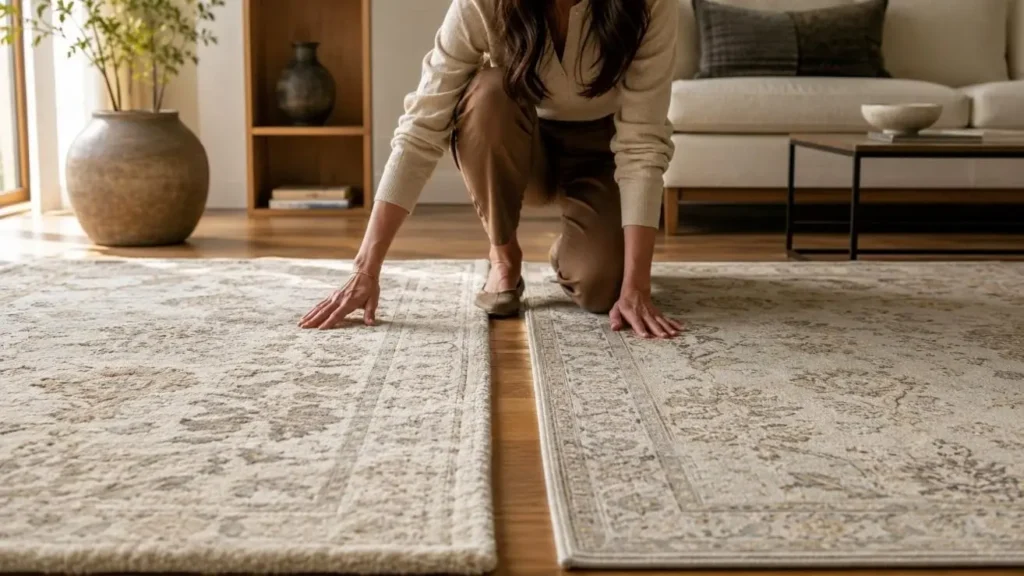
Wool: The Gold Standard of Rug Materials
There’s a reason wool has never gone out of fashion in the interior and floor covering world. Interior designer Amity Worrel says, “Wool is one of the most versatile, resilient and sustainable fibers you can choose for a rug.” It brings together many qualities that are rarely found in a single material such as durability, natural beauty, sustainability and blending ability.
What are the Main Benefits of wool rugs over synthetic
Wool rugs have been the gold standard in flooring for centuries and for good reason. From durability to colour retention the benefits of wool rugs over synthetic alternatives are not just noticeable, they are lasting.
Unmatched Durability
Wool has flexible, highly durable qualities and a well-made wool rug from a manufacturer in India from a weaving centre like Bhadohi is lasts 20 to 30 years under normal residential use.
Colours That Actually Stay
One of the most visible benefits of wool rugs over synthetic ones is how they hold colour. Wool absorbs dye at a fibre level, which means the richness you see on day one is still there years later.
Wool is a renewable fibre that regrows annually, requires no petroleum to produce and breaks down naturally at the end of its life. Every manufacturer in India understands that wool is best for the planet.
Higher upfront cost: Wool rugs do carry a greater initial price tag than synthetic options. This reflects the quality of raw material, the skill of the weaver and the longevity of the finished product.
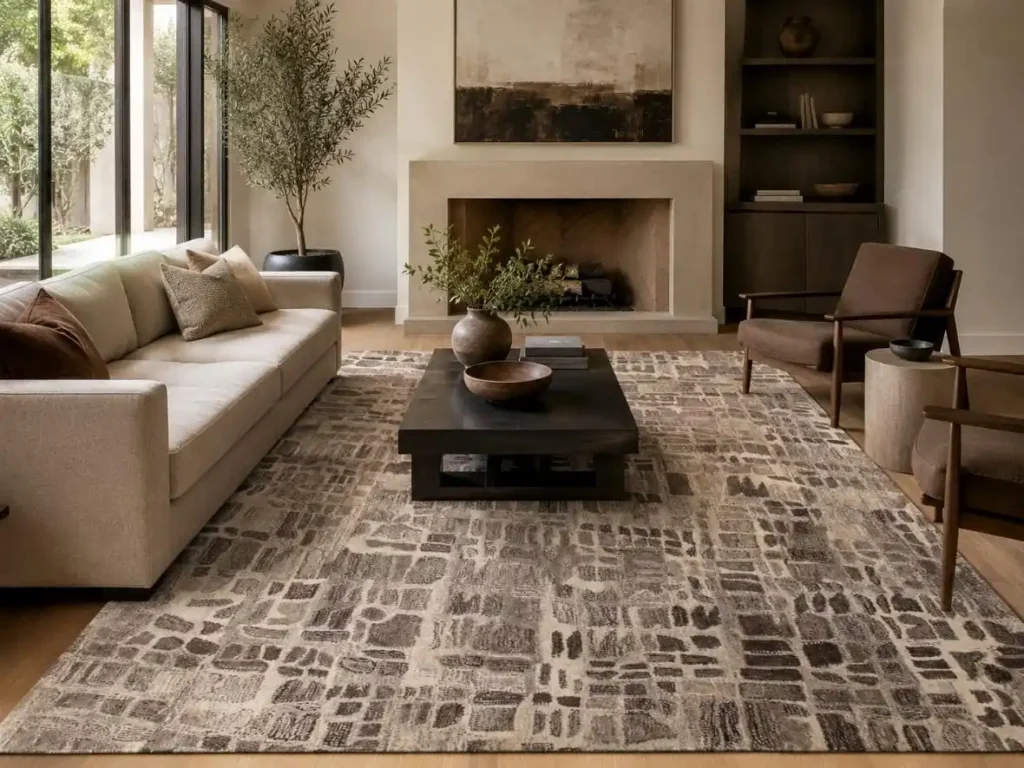
Synthetic rugs are manufactured at scale using petroleum-derived fibres such as primarily olefin, polyester and acrylic. These rugs are not designed for longevity, they are designed for price points and frequent changes.
Synthetic rugs are machine-made or handmade from inexpensive raw materials and these are accessible for budget-conscious buyers. This is their primary advantage and in fairness, it is a genuinely perfect choice for short-term or temporary use.
The Downsides are Hard to Ignore
Synthetic rugs come with an attractive price tag but that affordability often comes at a cost. Before committing to one, it is worth understanding the practical limitations that tend to surface with everyday use.
Rapid Wear and Matting
Synthetic fibres lack the natural resilience of wool. They compress quickly under regular use, losing their texture and pile in high-traffic areas within a relatively short timeframe. Most synthetic rugs show visible wear within two to three years.
A Significant Environmental Cost
Unlike the output of any responsible natural fiber rugs India exporter, synthetic rugs contribute meaningfully to landfill waste. They do not biodegrade, they are not recyclable in any practical sense and their production relies on fossil fuels.
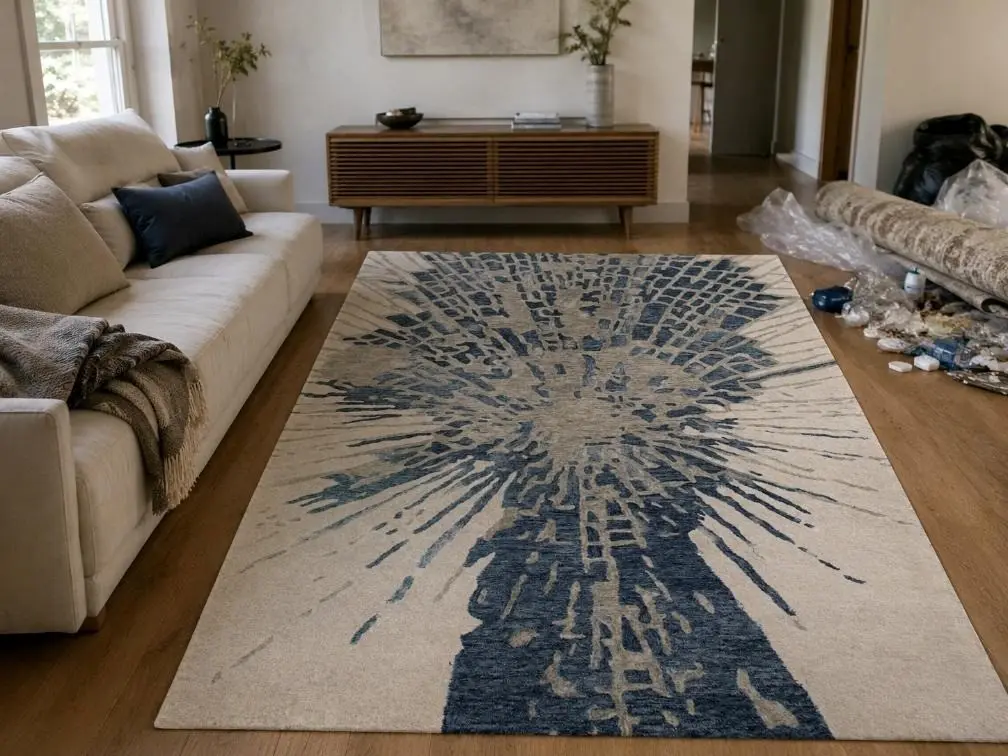
Which Rug Is the Right Choice for Your Space
Before choosing between wool and synthetic rug, it’s important to understand what matters the most for your space and lifestyle.
If you need durability and sustainability: Choose wool rugs that last, look better with age, are eco-friendly and align with a more considered approach to home furnishing.
If you want rug for short term: Pick synthetic if you need a short-term, budget floor covering and fully expect to replace it within a few years. It can serve a purpose but go in with realistic expectations about lifespan and appearance.
Natural Fibre Rugs Pay Off Long After Purchase
The benefits of wool rugs over synthetic ones are not subtle, they’re more structural.
- Better durability
- Better feel
- Sustainability
- Fire safety
Synthetic rugs have their place, budget constraints are real and there are applications where synthetic makes practical sense. But for anyone buying a rug they want to live with for years, in a room they care about every single day.
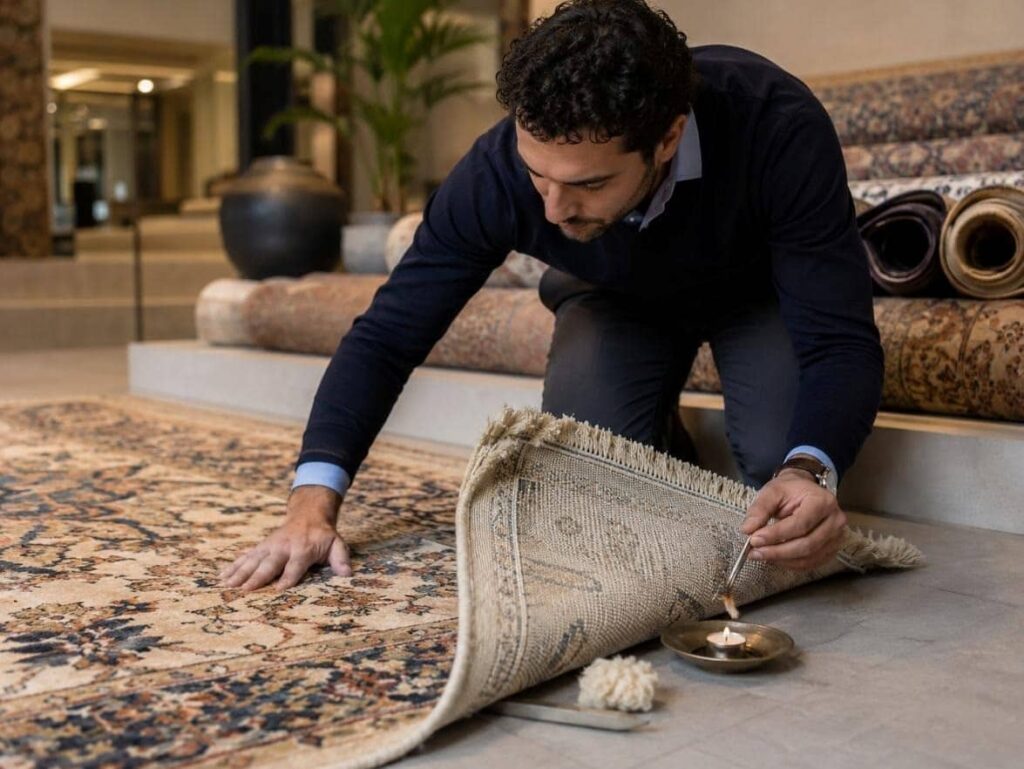
What to Look for When Buying a Wool Rug
Not all wool rugs are created equal and knowing what to look for saves you from making a costly mistake. Here’s what genuinely matters when you’re evaluating a wool rug:
- Check the pile density of the rugs
- Look at the back of rugs carefully
- Do a burn test to check the material
- Ask about the origin for better craftmanship
A Quick Comparison Between Wool and Synthetic Rugs
Before you decide, take sixty seconds to look at how these two materials actually perform. The table below shows exactly where that gap lies.
Features | Wool Rug | Synthetic Rug |
Average Lifespan | 20 — 30 Years | 3 — 5 Years |
Colour Retention | Excellent | Moderate to Average |
Pile Recovery | High | Low |
Environmental Impact | Biodegradable | Landfill Waste |
Cost | Premium | Affordable |
Choose Quality That Lasts with Hasida Rugs Collection
Transform your space with rugs that bring together style, strength and lasting comfort, creating a home that feels both elegant and inviting. At Hasida Rugs Collection, we offer thoughtfully crafted wool and natural fibre rugs that not only enhance your interiors but also stand the test of time.
Each piece is designed to deliver durability with timeless design, so you can choose quality that continues to look and feel exceptional for years to come.
Frequently Asked Questions
Q1. How often should you replace a rug in your home?
It depends on the material and usage. High-quality wool rugs can last 20+ years, while synthetic rugs may need replacement within 3–5 years.
Q2. Are wool rugs worth the higher price?
Yes, wool rugs are more durable, retain their look for years and offer better comfort and sustainability.
Q3. Do rugs help with insulation and energy efficiency?
Yes, rugs especially wool, act as natural insulators. They help retain warmth in winter and can slightly reduce energy costs in your home.
Q4. Which type of rug is better for high-traffic areas?
Wool rugs are better for high-traffic areas due to their durability and resilience, while synthetic rugs may wear out faster under heavy use.
Q5. How do you maintain the quality of a rug over time?
Regular vacuuming, avoiding direct sunlight, rotating the rug and professional cleaning when needed can help maintain its look and lifespan.