
Type of Rugs
The construction method determines a rug's durability, value and character. Each technique represents centuries of refined craftsmanship.
Contemporary Rugs
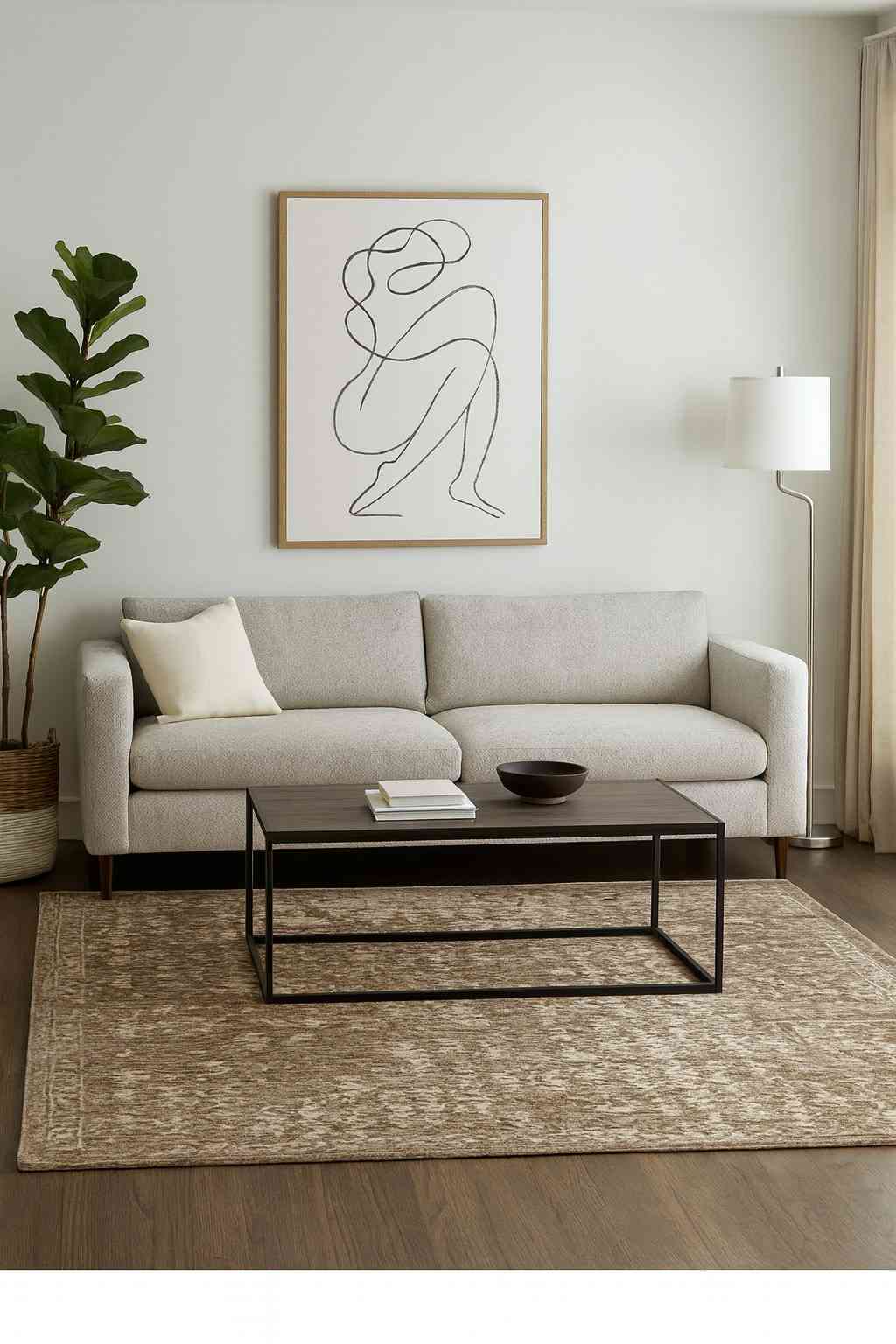
Contemporary rugs showcase cutting-edge design with abstract art-inspired patterns and innovative textures. Born from 21st-century aesthetics, these modern area rugs feature asymmetrical layouts, unexpected color combinations and experimental materials. Perfect as large rugs for living room spaces or eye-catching round rugs, they transform minimalist interiors into gallery-like settings with bold artistic expression.
Key Features
- Modern Patterns: Clean shapes and abstract designs that brighten a room
- Soft Texture: Provides smooth comfort underfoot in daily use
- Calm Colors: Neutral bases with subtle or bold accents
- Clean Craft: Precise handwork often seen in Hand Tufted Rugs
- Easy Styling: Pairs well with modern, minimal and industrial interiors
- Room Upgrade: Enhances the living room with clean modern style and adds a refined visual balance
Dhurrie Rugs
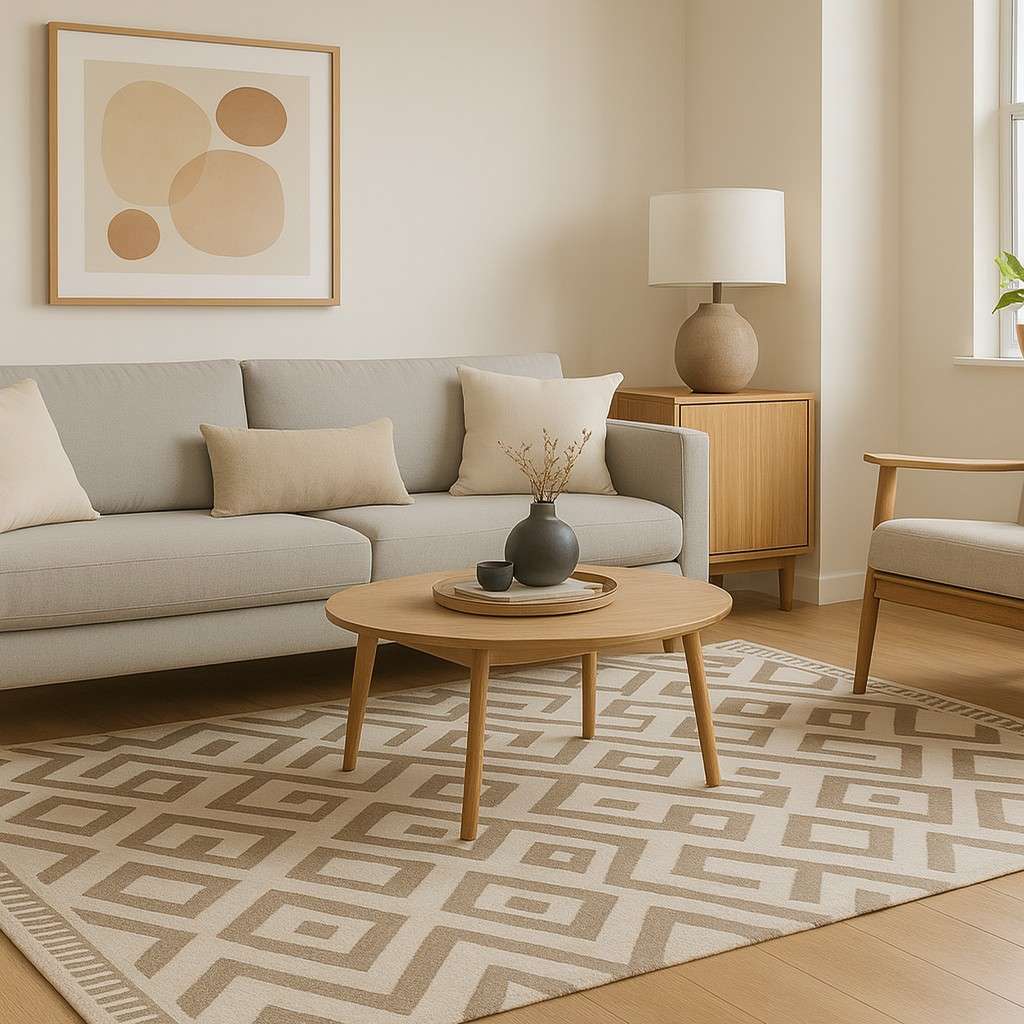
Dhurries are India's signature flatweave textiles, woven without pile on traditional pit looms. These reversible cotton area rugs originated in rural villages where craftspeople perfected the technique over generations. Unlike tufted or knotted styles, dhurries lie completely flat, making them stackable and space-efficient. Their breathable construction and washable nature make them practical choices for casual, everyday living.
Key Features
- Flat Weave: Thin and easy to clean — ideal for busy homes
- Two-Sided Design: Reversible style increases longevity
- Village Craft: Handmade by rural artisans using natural fibres
- Light And Easy To Move: Convenient for shifting around the home
- Down-To-Earth Patterns: Gentle geometric shapes for relaxed décor
- Smart Choice: Classic Cotton Dhurries perfect for patios and balconies
Modern Rugs
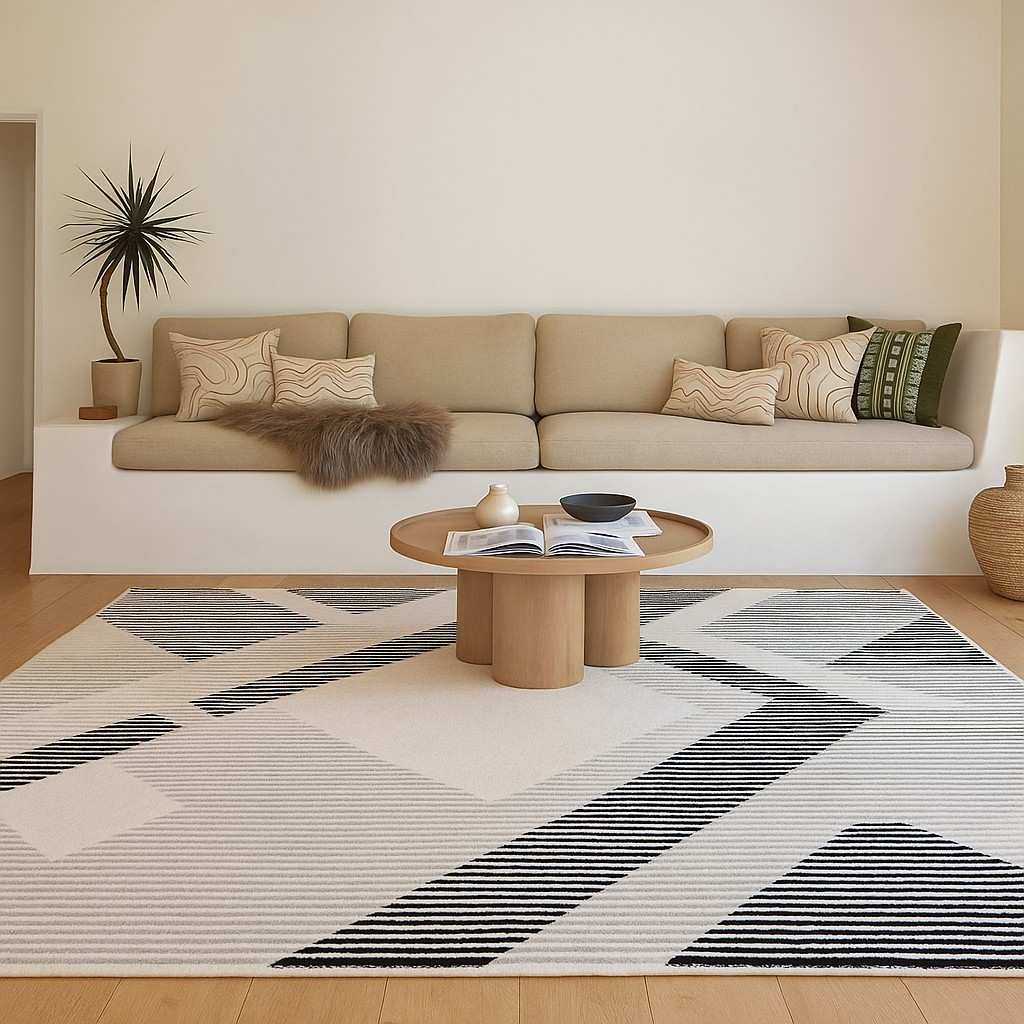
Modern rugs emerged from mid-century Scandinavian and Bauhaus movements, emphasizing function over decoration. These living room area rugs strip away ornamental excess, focusing instead on clean lines, organic shapes and purposeful design. Available in popular sizes like 8x10 area rugs and bedroom rugs, they embody the "less is more" philosophy while delivering maximum comfort and visual calm.
Key Features
- Soft Fibers: Wool, viscose or blended yarns that add luxurious comfort
- Calm Tones: Neutral color scheme that suit many décor styles
- Clean Finish: Refined craftsmanship visible in many Hand Tufted Rugs
- Functional Minimalism: Design that brings both beauty and purpose
- Easy Styling: Perfect for Scandinavian or modern themed rooms
- Space Uplift: Ideal for grounding large spaces with Large Rugs for Living Room
Traditional Rugs
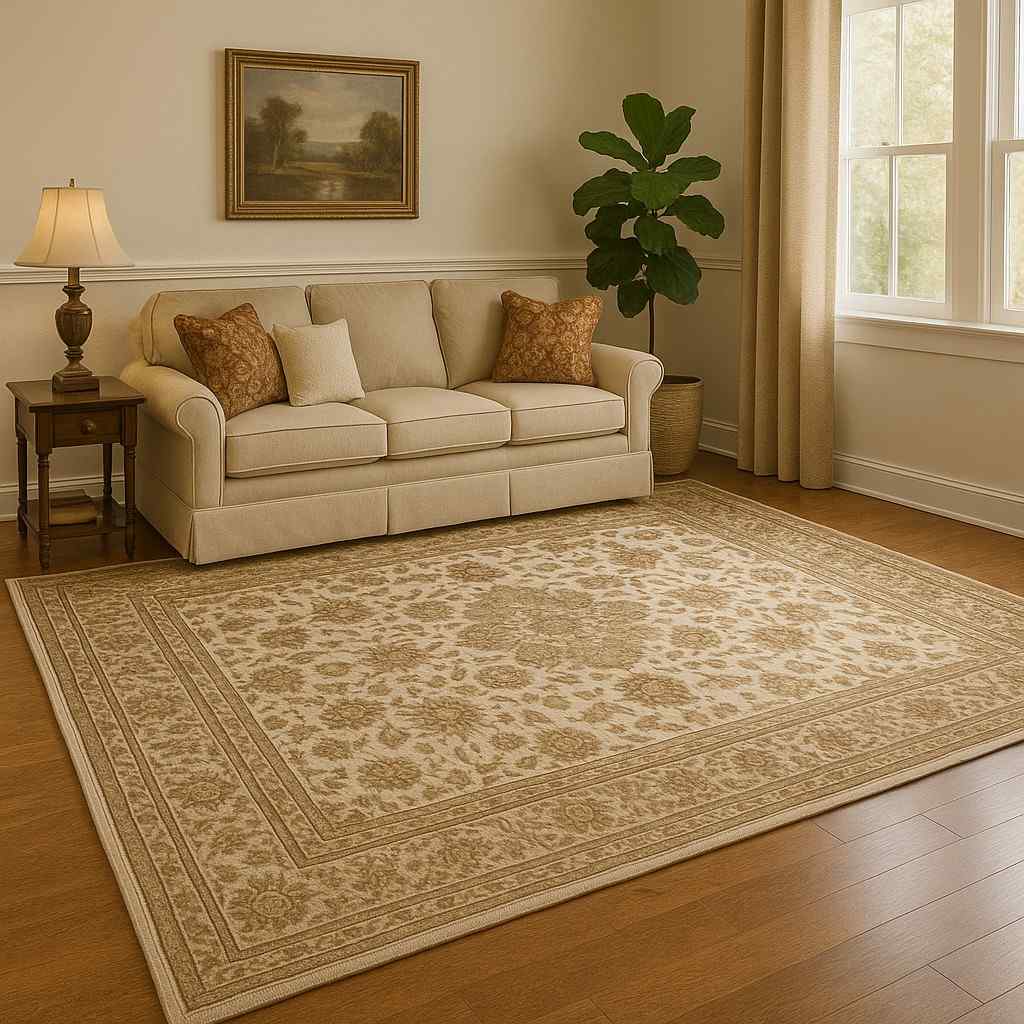
Traditional rugs draw inspiration from historic Persian, Turkish and Oriental court weaving dating back centuries. These handmade area rugs replicate time-honored medallion centers, intricate borders and elaborate floral scrollwork. Crafted with premium wool rugs construction, they represent formal elegance rooted in ancient royal workshops where master weavers created treasures for palaces and nobility.
Key Features
- Classic Patterns: Age-old designs with cultural significance
- Rich Colors: Deep hues that enhance any interior
- Decorative Borders: Framed motifs that complete the artwork
- Heritage Craft: Authentic and traditional weaving techniques that last for years
- Natural Wool: Soft, strong and ideal for daily use
- Formal Placement: Perfect as Carpets for Living Room and formal dining spaces
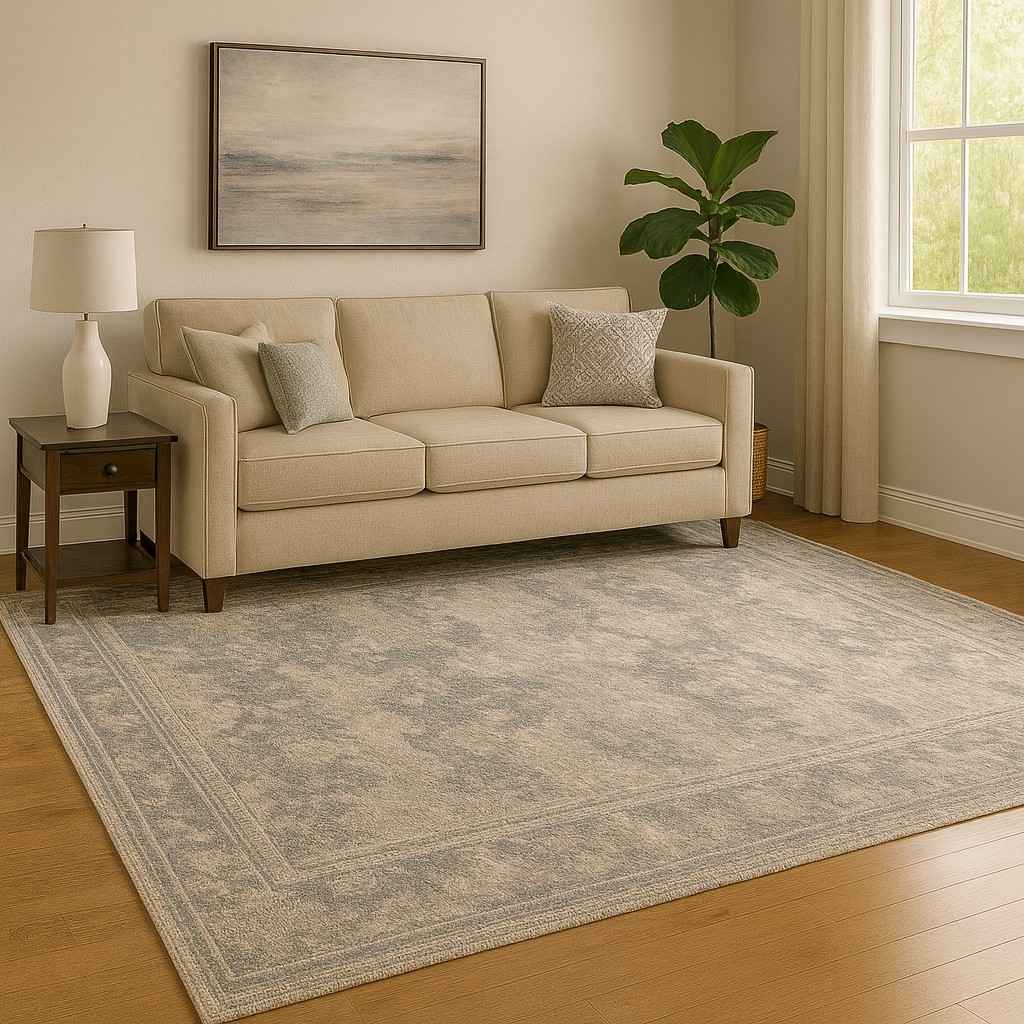
Transitional Rugs
Transitional area rugs bridge the gap between ornate traditional styling and stark contemporary minimalism. They soften classical motifs by simplifying details, updating palettes with modern neutrals and scaling patterns for today's open-concept homes. This hybrid approach creates versatile designs that complement both antique furniture and sleek modern pieces without committing fully to either aesthetic.
Key Features
- Mixed Styles: Classic patterns refreshed with modern tones
- Muted Neutrals: Flexible shades that suit various themes
- Adaptable Look: Perfect for both modern and traditional interiors
- Design Balance: Symmetrical layouts that work in formal or casual spaces
- Subtle Contrast: Low-key patterns that add gentle depth
- Multi-Purpose Use: Work as a statement Round Rugs or functional Rugs for Living Room Floor

Tribal Rugs
Tribal rugs are handwoven textiles created by indigenous communities and nomadic tribes using centuries-old weaving traditions. Each rug features bold geometric patterns, symbolic motifs and vibrant colors that reflect the weaver's cultural heritage and tribal identity. These handwoven rugs preserve ancient symbols passed down through generations, with each design element carrying specific meaning within the tribe's storytelling tradition.
Key Features
- Unique Designs: Ancient symbols that narrate stories
- Handmade Look: Natural imperfections that make each rug special
- Fair Production: Crafted by skilled weavers using traditional methods
- Raw Materials & Pigments: Authentic fibres with rich textures
- Versatile Matching: Fits bohemian, rustic and mixed décor styles
- Room Character: Stands out as expressive Rugs for Living Room Floor centerpieces
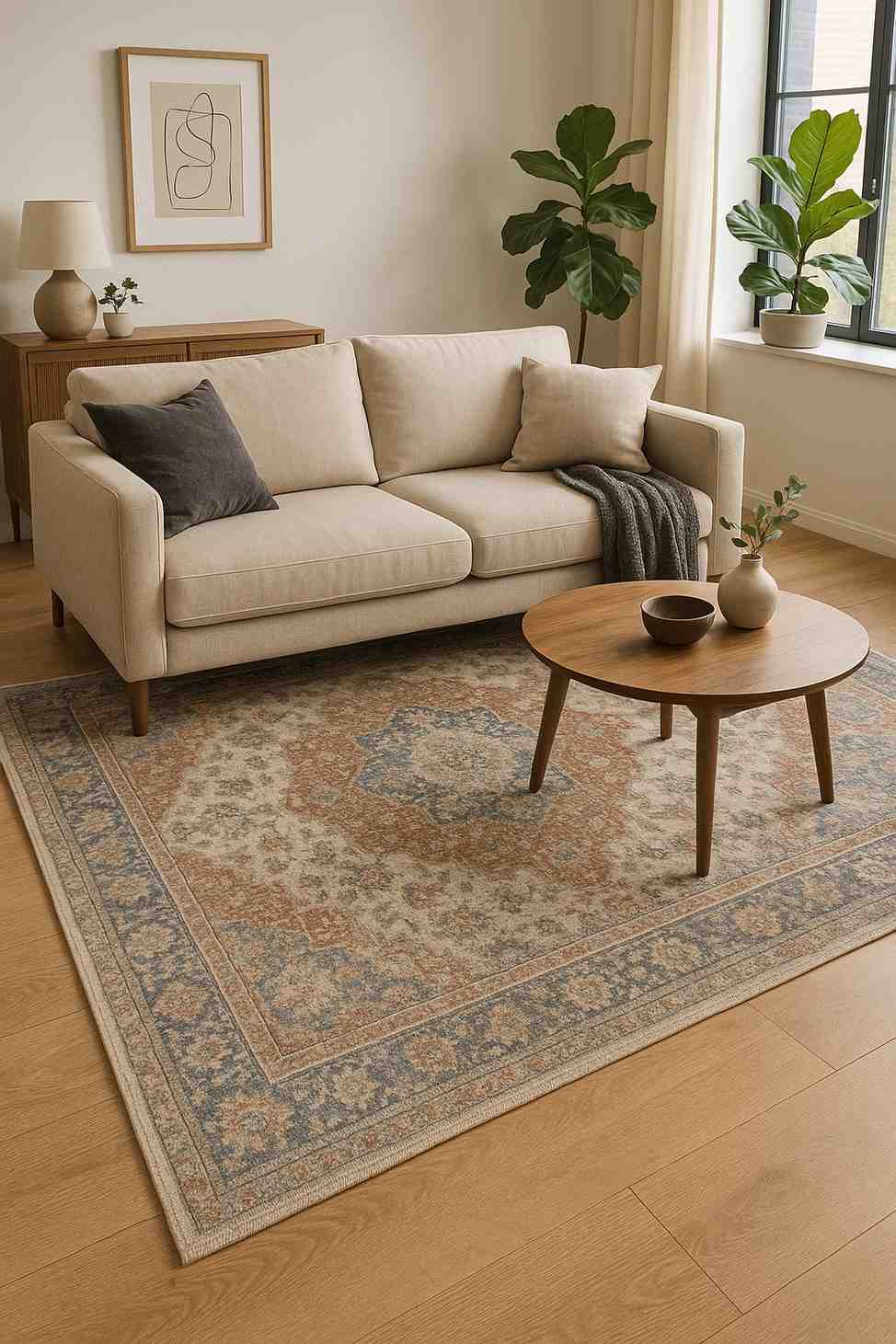
Vintage Rugs
Vintage rugs are pre-owned pieces typically 20-99 years old that have developed character through use and age. Unlike new reproductions, authentic vintage area rugs show natural patina—softened colors from fading, worn pile from footsteps and subtle repairs that add history. Available in sizes like 6x9 area rugs and 9x12 rugs, they offer the charm of antiques at accessible prices for modern interiors seeking authentic soul.
Key Features
- Softened Color Schemes: Mellow tones with beautiful wear
- One-Of-A-Kind Character: Each rug tells a distinct story
- Coziness & Personality: Adds emotional richness and comfort
- Decorating Fit: Works well with both modern and traditional décor
- Laid-Back Look: Creates a soft, effortless aesthetic
- Big-Room Effect: Works beautifully in large living rooms and brings seating areas together with cohesive style
Rug Materials & Fabrics

Wool
Wool is nature's premium rug fiber—flame-resistant, soil-repellent and incredibly resilient thanks to its crimped structure that springs back from compression. Harvested from sheep, wool rugs regulate temperature naturally, staying cool in summer and warm in winter. The lanolin content repels liquid spills briefly before absorption. Wool Carpet performs exceptionally in high-traffic areas, which is why it dominates Luxury Rugs, Hand Tufted Rugs and durable Rugs for Living Room collections globally.
Silk
Silk comes from silkworm cocoons and creates the finest, most lustrous rug fiber available. A single silk area rug may contain thousands of individual strands, allowing weavers to achieve photographic detail impossible with thicker fibers. While beautiful in Hand Tufted pieces, pure silk lacks durability for floors—it's best displayed as wall hangings or in protected formal rooms. Silk-wool blends offer compromise, adding luminous highlights to Contemporary Rugs while maintaining practical wearability.

Cotton
Cotton grows as a natural plant fiber that's hypoallergenic, breathable and affordable. Cotton Rugs absorb dye exceptionally well, resulting in vibrant, colorfast patterns that won't bleed or fade quickly. Their flat, smooth texture makes them stackable and easy to wash—many are machine-washable. Cotton works perfectly in casual Rugs for Living Room floor spaces where you want comfort without weight, though it lacks wool's natural resilience and will show wear faster in heavy-traffic zones.

Viscose
Viscose originates from dissolved wood pulp (cellulose) that's chemically processed and extruded into fibers. Viscose Rugs mimic silk's glossy appearance at a fraction of the cost, making them popular in budget-friendly Modern Rugs. However, viscose is highly absorbent and water-sensitive—spills can cause permanent staining and fiber distortion. Best suited for low-traffic, dry areas where the silk-like sheen enhances Contemporary, Modern And Traditional aesthetics without risking moisture damage.

Bamboo Silk
Bamboo silk extracts cellulose from fast-growing bamboo plants rather than traditional trees. It delivers similar luster to rayon viscose but with slightly better durability and eco-credentials. The fiber shines beautifully under light, perfect for Contemporary Rugs needing soft luxury without animal products. Like viscose, bamboo silk requires careful maintenance—avoid moisture and high traffic. Its sustainable harvesting makes it increasingly popular in Luxury Rugs targeting environmentally conscious buyers who want ethical elegance.

Jute
Jute is a coarse plant fiber harvested from the jute plant's stem, primarily grown in India and Bangladesh. Jute rugs have a chunky, organic texture with natural golden-brown tones that add earthy warmth. They're biodegradable, renewable and incredibly affordable. While not as soft underfoot as wool, jute provides excellent grip and works beautifully as Rugs for Living Room floor layering beneath softer textiles. Its casual aesthetic suits coastal, bohemian and natural décor—just avoid moisture, as jute can mildew.
Wool
Wool is nature's premium rug fiber—flame-resistant, soil-repellent and incredibly resilient thanks to its crimped structure that springs back from compression. Harvested from sheep, wool rugs regulate temperature naturally, staying cool in summer and warm in winter. The lanolin content repels liquid spills briefly before absorption. Wool Carpet performs exceptionally in high-traffic areas, which is why it dominates Luxury Rugs, Hand Tufted Rugs and durable Rugs for Living Room collections globally.
Silk
Silk comes from silkworm cocoons and creates the finest, most lustrous rug fiber available. A single silk area rug may contain thousands of individual strands, allowing weavers to achieve photographic detail impossible with thicker fibers. While beautiful in Hand Tufted pieces, pure silk lacks durability for floors—it's best displayed as wall hangings or in protected formal rooms. Silk-wool blends offer compromise, adding luminous highlights to Contemporary Rugs while maintaining practical wearability.
Cotton
Cotton grows as a natural plant fiber that's hypoallergenic, breathable and affordable. Cotton Rugs absorb dye exceptionally well, resulting in vibrant, colorfast patterns that won't bleed or fade quickly. Their flat, smooth texture makes them stackable and easy to wash—many are machine-washable. Cotton works perfectly in casual Rugs for Living Room floor spaces where you want comfort without weight, though it lacks wool's natural resilience and will show wear faster in heavy-traffic zones.
Viscose
Viscose originates from dissolved wood pulp (cellulose) that's chemically processed and extruded into fibers. Viscose Rugs mimic silk's glossy appearance at a fraction of the cost, making them popular in budget-friendly Modern Rugs. However, viscose is highly absorbent and water-sensitive—spills can cause permanent staining and fiber distortion. Best suited for low-traffic, dry areas where the silk-like sheen enhances Contemporary, Modern And Traditional aesthetics without risking moisture damage.
Bamboo Silk
Bamboo silk extracts cellulose from fast-growing bamboo plants rather than traditional trees. It delivers similar luster to rayon viscose but with slightly better durability and eco-credentials. The fiber shines beautifully under light, perfect for Contemporary Rugs needing soft luxury without animal products. Like viscose, bamboo silk requires careful maintenance—avoid moisture and high traffic. Its sustainable harvesting makes it increasingly popular in Luxury Rugs targeting environmentally conscious buyers who want ethical elegance.
Jute
Jute is a coarse plant fiber harvested from the jute plant's stem, primarily grown in India and Bangladesh. Jute rugs have a chunky, organic texture with natural golden-brown tones that add earthy warmth. They're biodegradable, renewable and incredibly affordable. While not as soft underfoot as wool, jute provides excellent grip and works beautifully as Rugs for Living Room floor layering beneath softer textiles. Its casual aesthetic suits coastal, bohemian and natural décor—just avoid moisture, as jute can mildew.
Weaving Techniques
The weaver was considered untouchable in the India of the past. A definition that was misinterpreted, truly fitting only to their skill.
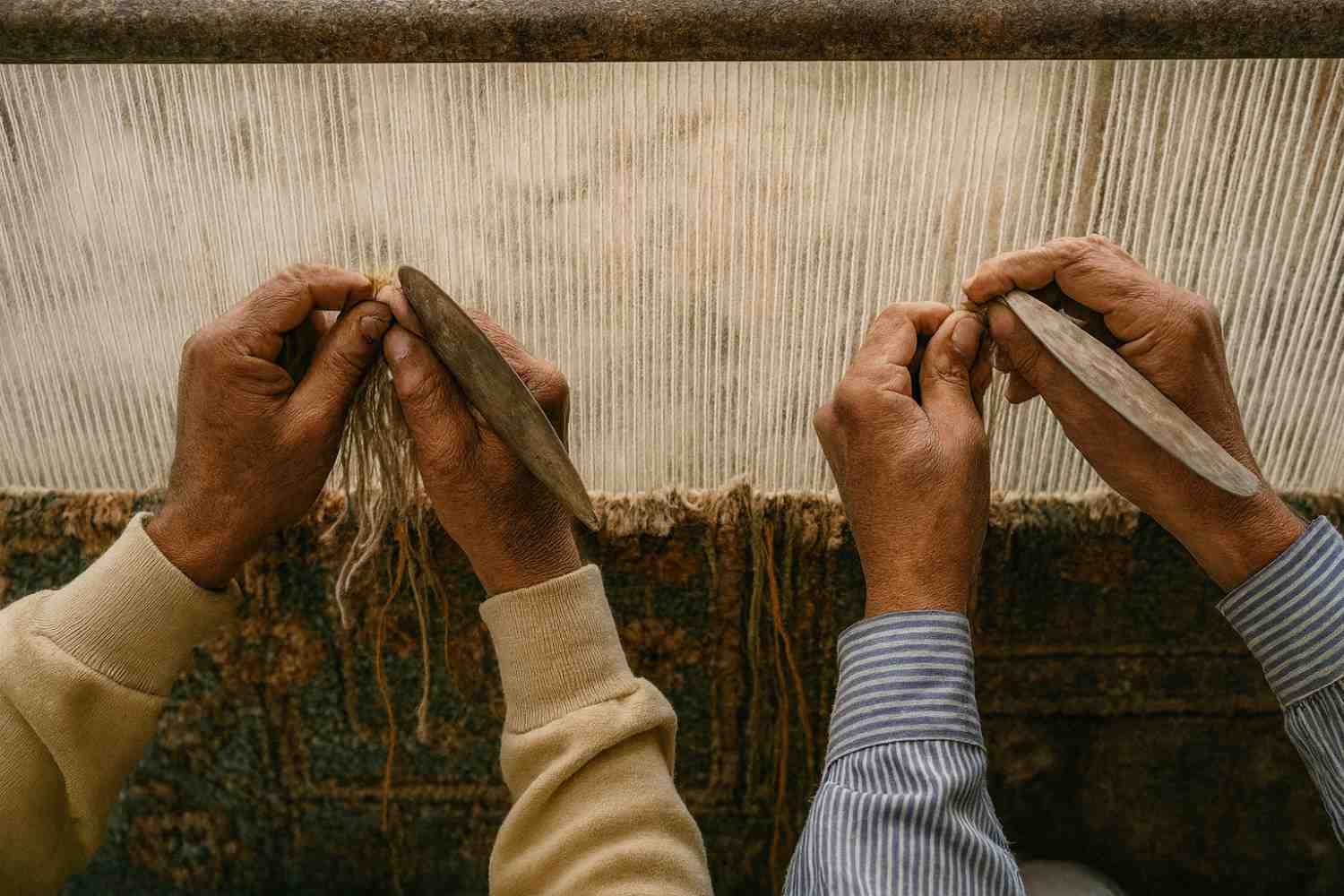
The Highest Craftsmanship
Hand-knotted rugs represent the pinnacle of rug craftsmanship, where artisans individually tie each knot around vertical warp threads stretched on a loom. Knot density determines value—higher KPSI (knots per square inch) means finer detail and longer creation time. A single large rug can take 6-12 months to complete. These handmade rugs feature no backing or glue; the knotted pile itself forms the rug's structure. Hand-knotted area rugs from Persian, Turkish and Tibetan traditions last generations, improving with age as wool and silk develop lustrous patina. They're the ultimate Luxury Rugs investment.
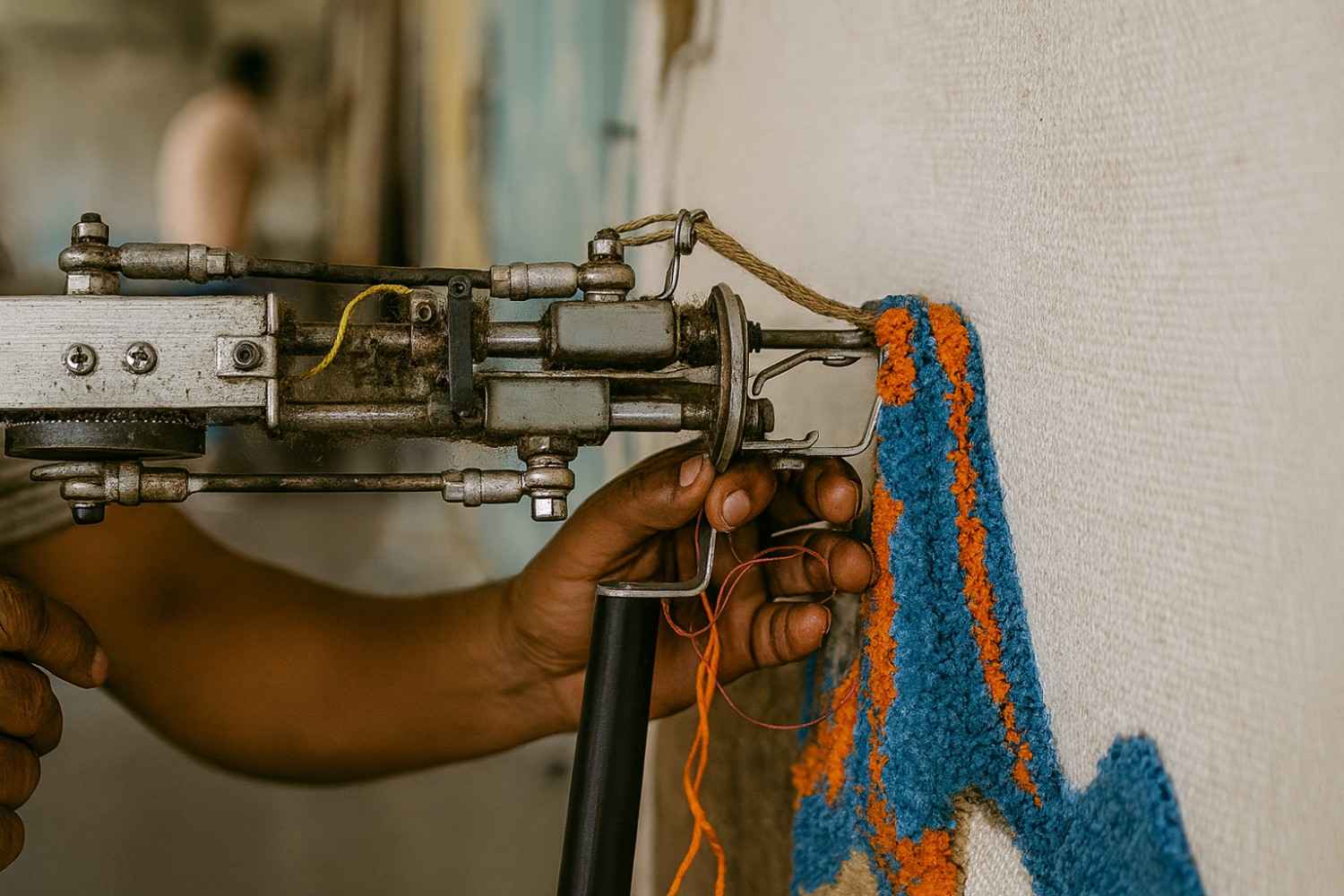
Quicker Craftsmanship with New Tools
Artisans create hand-tufted rugs by punching yarn through pre-stretched canvas using a pneumatic tufting gun that resembles a oversized sewing machine. Once tufting is complete, workers apply latex adhesive to lock yarns in place, then attach cotton or canvas backing for stability. This mechanically-assisted process produces rugs in days rather than months. Hand-tufted rugs (also called Hand Tufted Carpet) achieve the look of hand-knotted designs at significantly lower prices, making them popular in hospitality projects, custom orders and budget-conscious homes seeking contemporary rugs with personalized patterns.
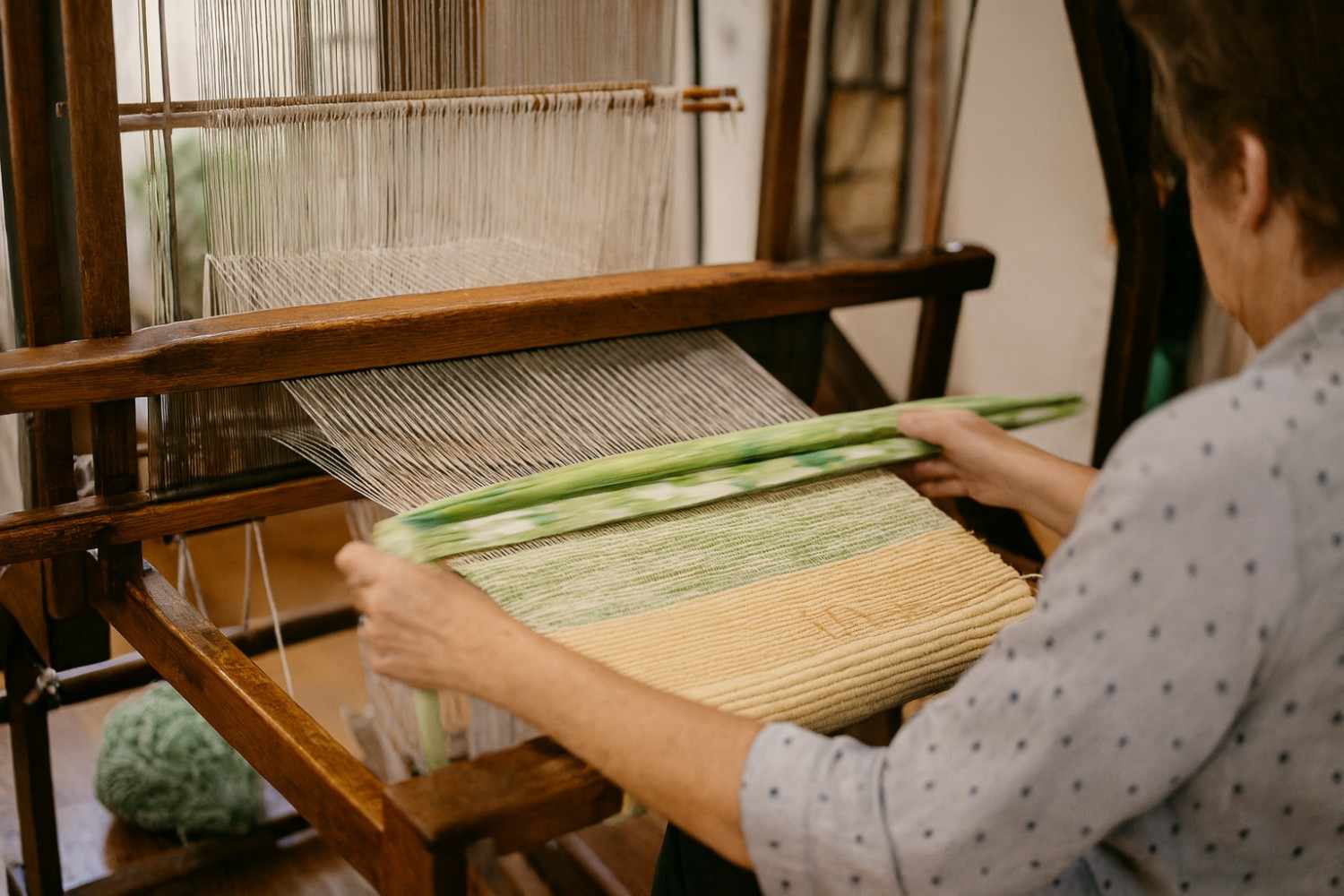
Everyday Flat Weaves with Modern Function
Flatweave rugs contain no pile—warp and weft threads interlace tightly to create a thin, reversible textile. Dhurries from India use cotton on traditional pit looms, while Kilims from Turkey and Iran employ wool with vibrant geometric patterns and slit-weave techniques. Because there's no pile to trap dirt, flatweaves shake clean easily and work excellently as cotton rugs in pet-friendly homes. Their lightweight, foldable nature makes them practical for seasonal rotation, outdoor patios and living room layering beneath furniture for added visual depth.
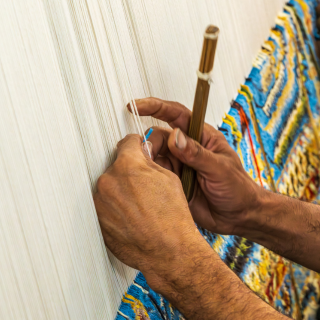
Old-School Weaving on a Manual Loom
Hand-loomed rugs are created on manual looms where weavers control shuttles, tension and pattern changes entirely by hand—no electric power involved. The process resembles traditional fabric weaving scaled up. Weavers can create cut pile (sheared), loop pile (uncut), or combination textures. Unlike hand-knotting where each knot is individual, hand-looming weaves continuous yarns that interlock horizontally and vertically. The result is smoother, more uniform surfaces with contemporary appeal. Hand-loomed area rugs offer the handcrafted quality of artisan work while fitting modern rugs aesthetics that favor clean, consistent textures over ornate traditional knotting.
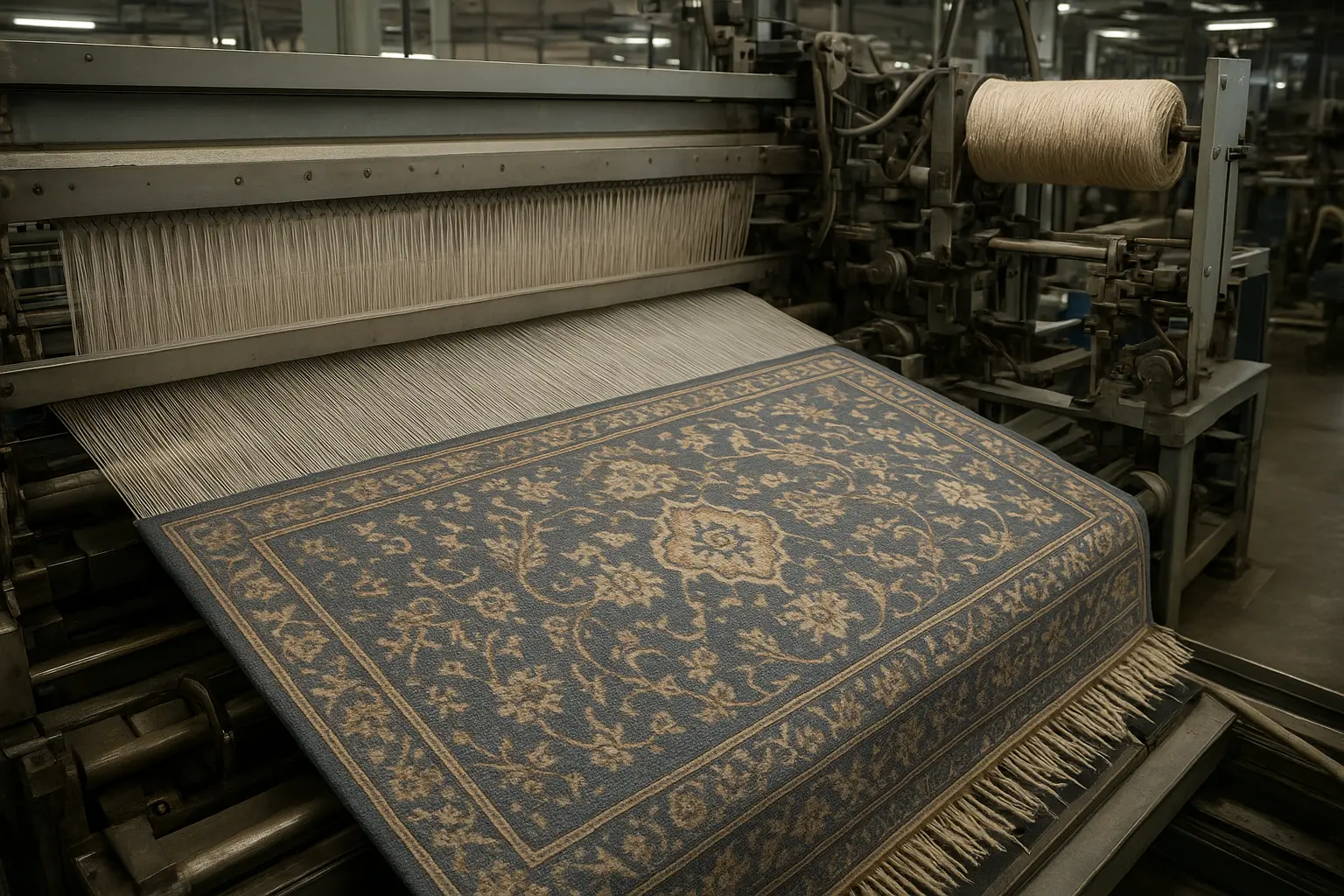
Machine Precision at Scale
with digital patterns. Machine-made rugs can use synthetic fibers (polypropylene, polyester) or natural materials (wool, cotton) depending on the target market. Production speed is extraordinary—a single rug completes in minutes to hours versus months for hand-knotted equivalents. This efficiency enables affordable large rugs for living room spaces at accessible price points. However, power-loomed pieces sacrifice uniqueness—thousands of identical copies exist. Custom orders require minimum quantities (often 100+ pieces) because reprogramming looms for single rugs isn't economically viable.
Rug Sizes by Room
Choosing the right rug size is crucial for balancing your space. Explore our interactive guide to find the perfect fit for every room in your home.

Soft Retreat Comfort
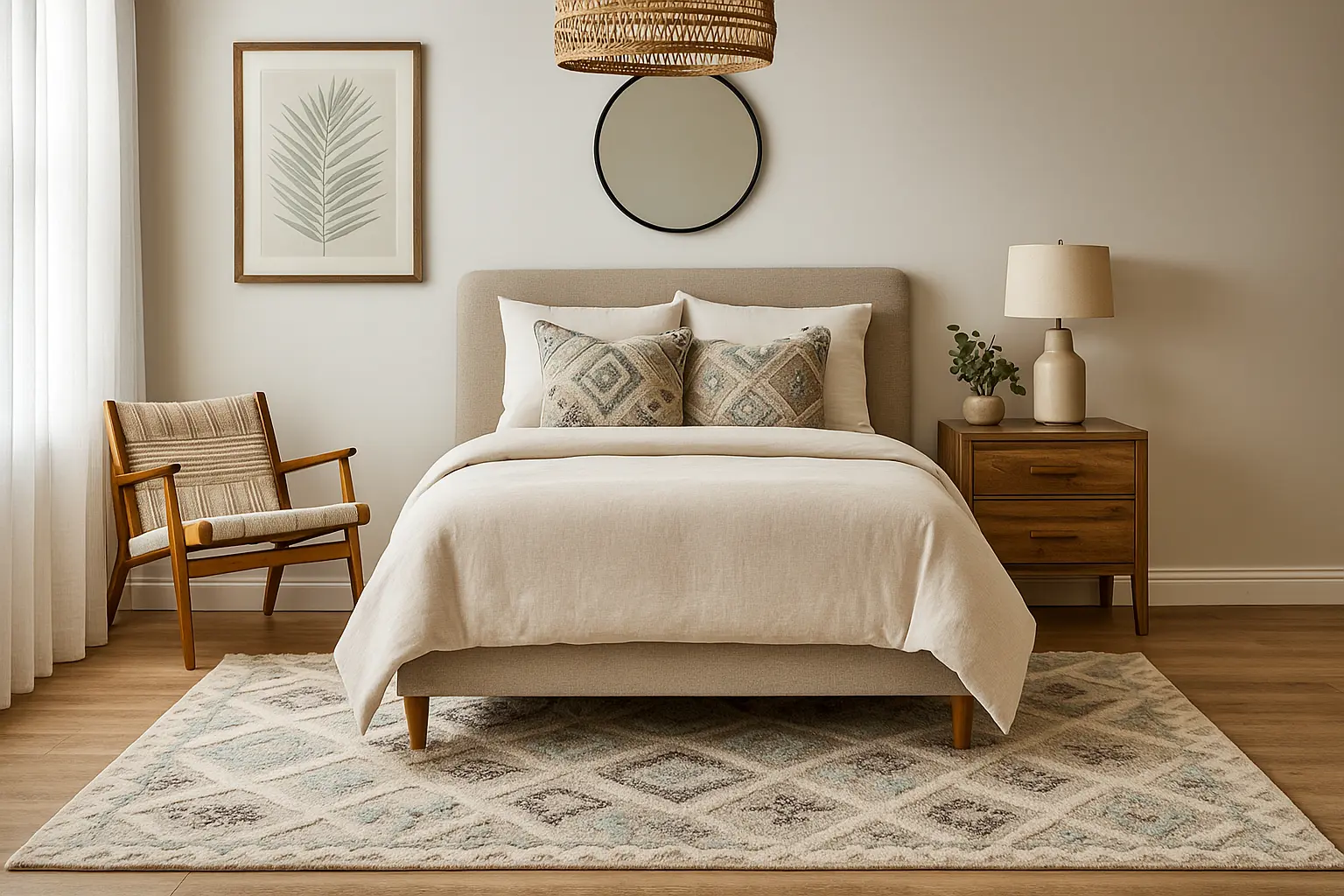
A bedroom rug transforms cold floors into plush comfort zones. Use 5x7 rugs for twin or full beds, 8x10 bedroom rugs for queen beds and 9x12 rugs for king beds with ample walkway space. A large rug under the bed anchors the room and reduces acoustic bounce. Wool or cotton rugs add warmth and comfort.
Balanced Dining Space
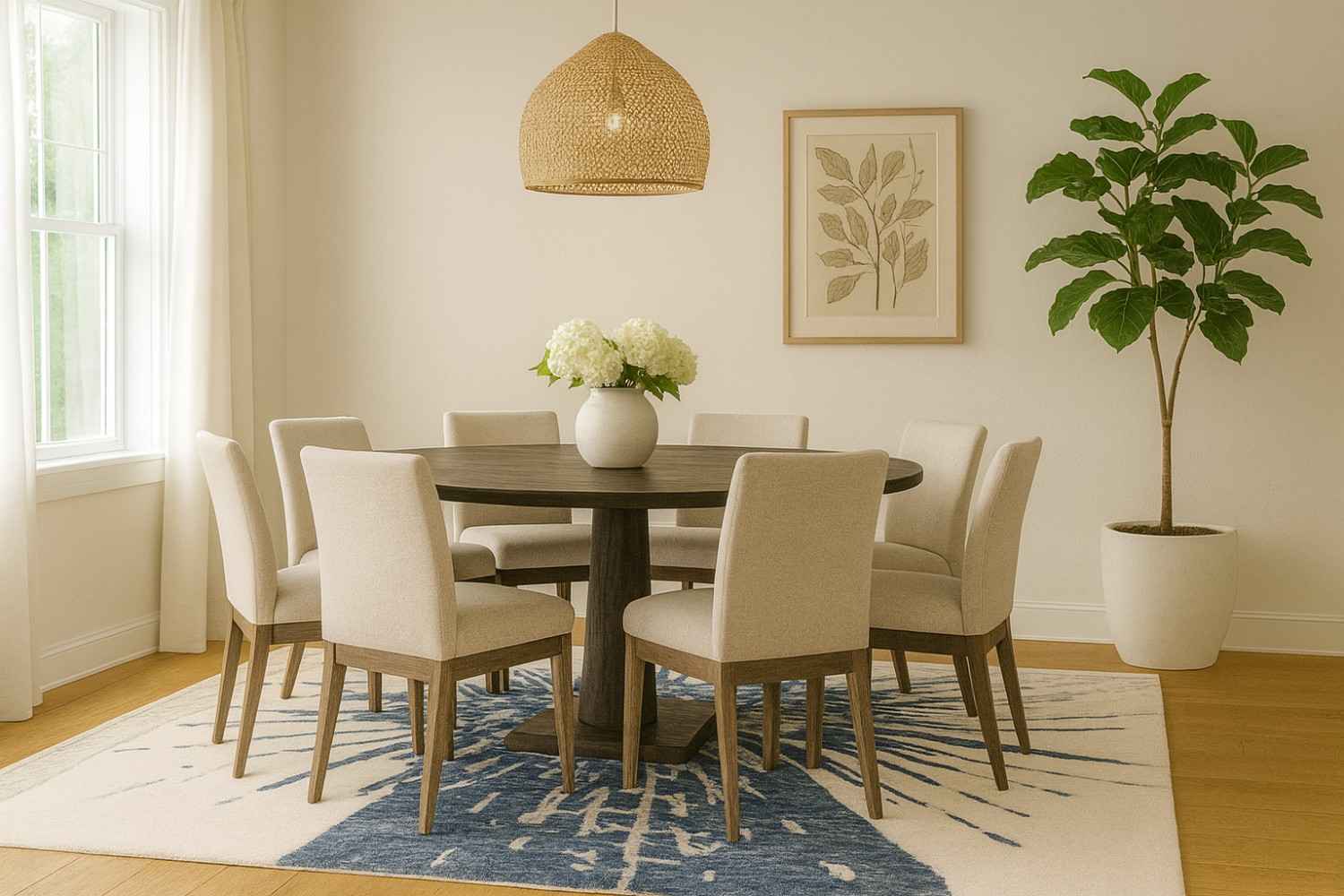
A dining room rug must accommodate all chairs when pulled out. Use 6x9 rugs for four-seat tables, 8x10 dining room rugs for six seats and 9x12 area rugs for eight seats. Add 24 inches beyond the table on all sides. Low-pile, stain-resistant materials handle spills easily.
Welcoming First Impression
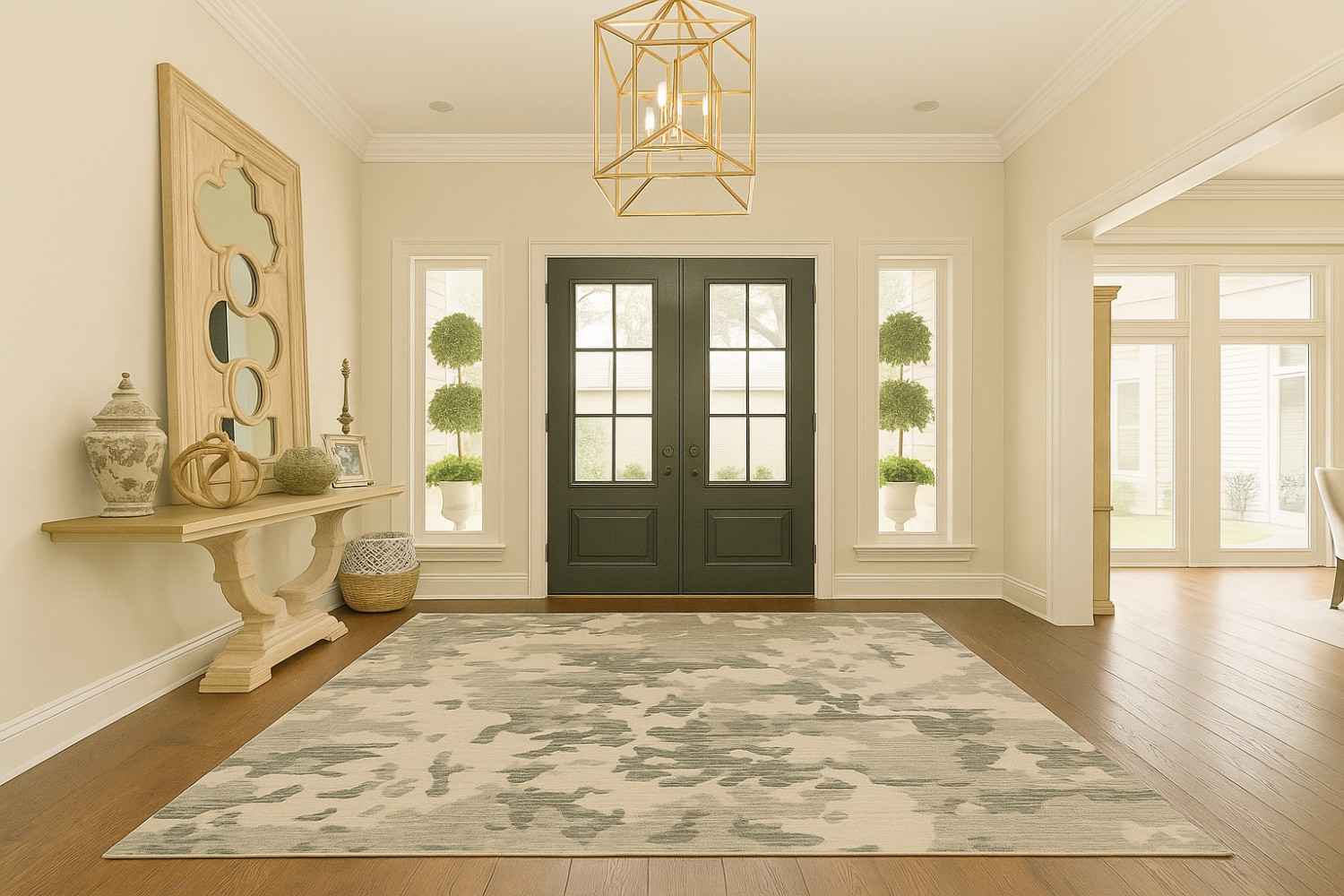
Your Runner Rug or Carpet Runner Rug creates the first impression guests encounter. Standard hallway runners measure 2x8 or 3x10 feet, protecting high-traffic flooring from scratches while muffling footsteps. Durable materials and bold patterns disguise dirt tracked from outdoors.
Playful Safe Surface
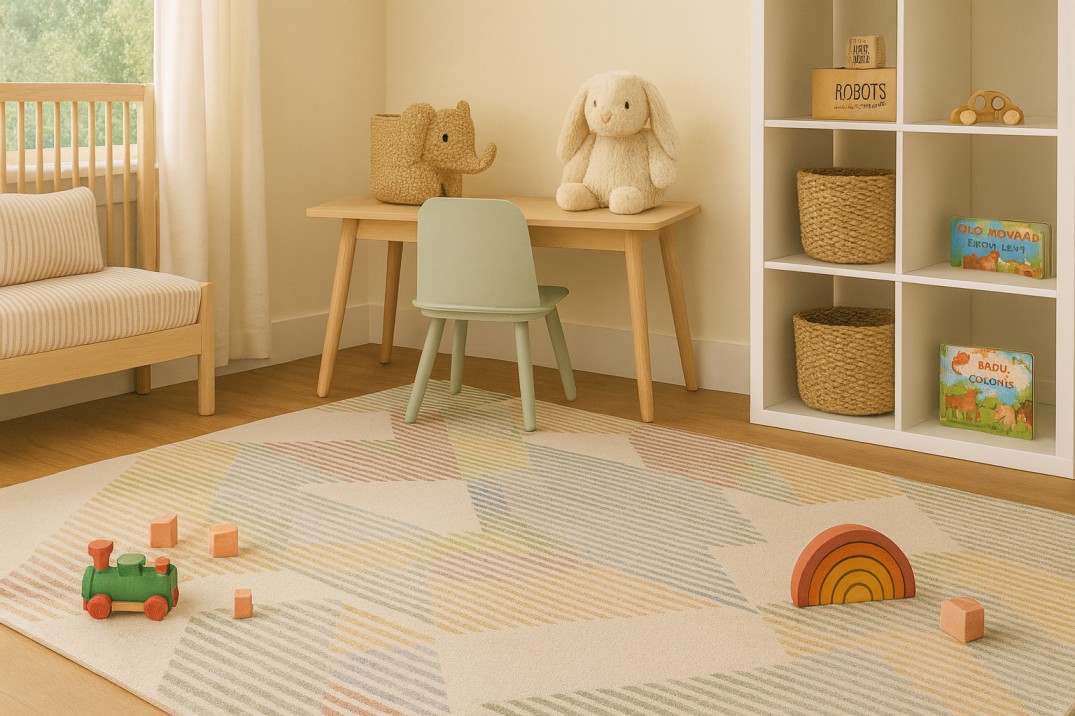
A Kids Room Rug cushions falls, defines play zones and dampens noise. Use 4x6 rugs and 5x7 rugs for nurseries or 6x9 area rugs and 8x10 rugs for playrooms. Choose stain-resistant, machine-washable materials. Bright patterns stimulate imagination while camouflaging wear.
Functional Cozy Footing
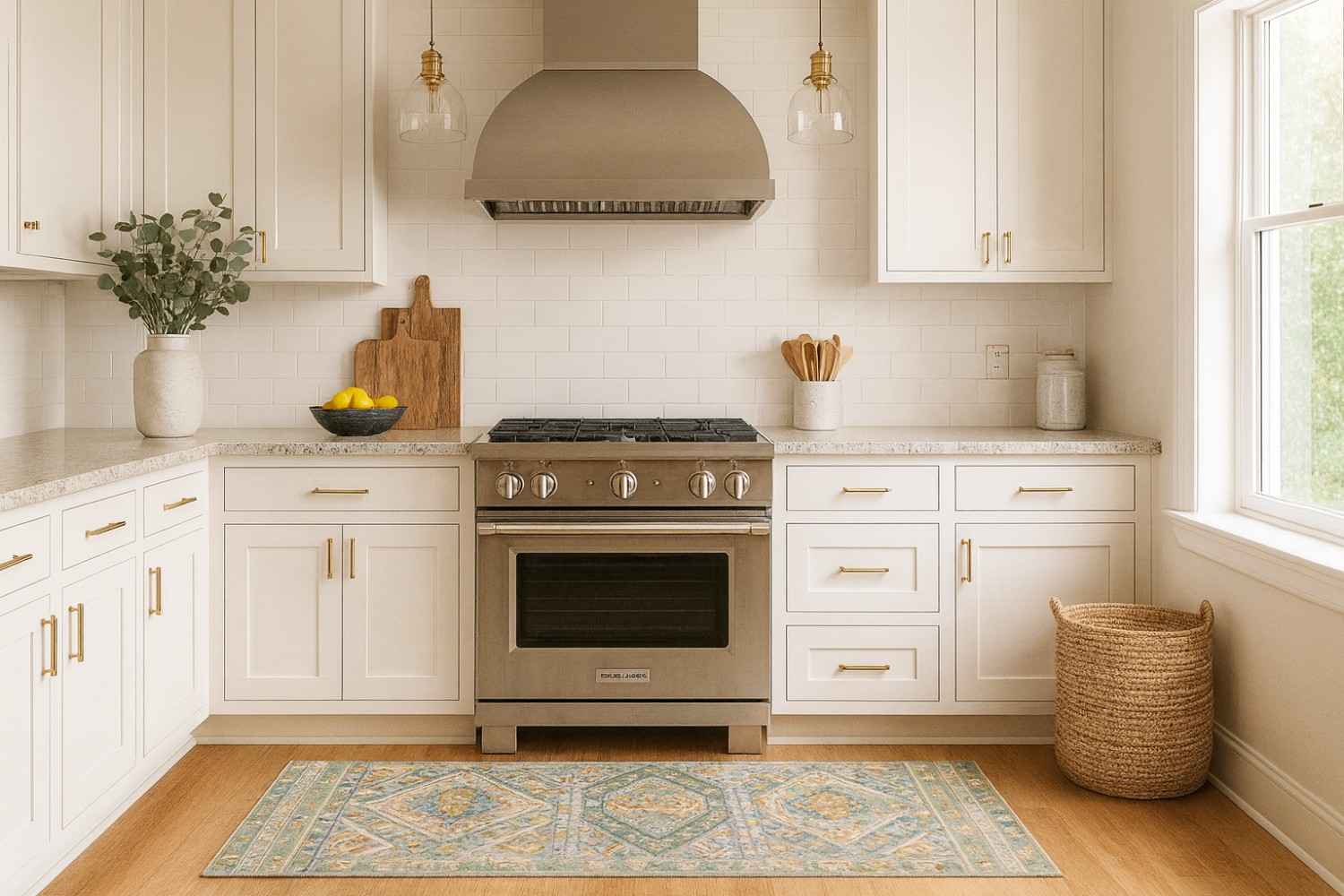
A kitchen rug provides anti-fatigue cushioning during cooking. Kitchen Runner Rugs work perfectly along galley kitchens, while 2x3 rugs or 3x5 rugs target sink zones. Prioritize machine-washable rugs with non-slip backing. Function matters—spills and grease are daily realities.
Center of Comfort
A Living Room Rug serves as the room's foundation. Use 5x7 area rugs for compact spaces, 8x10 living room rugs for standard sofas and 9x12 area rugs for spacious layouts. Big rugs for living rooms unify seating clusters with the "front legs on" designer rule.
Professional Warm Ambience
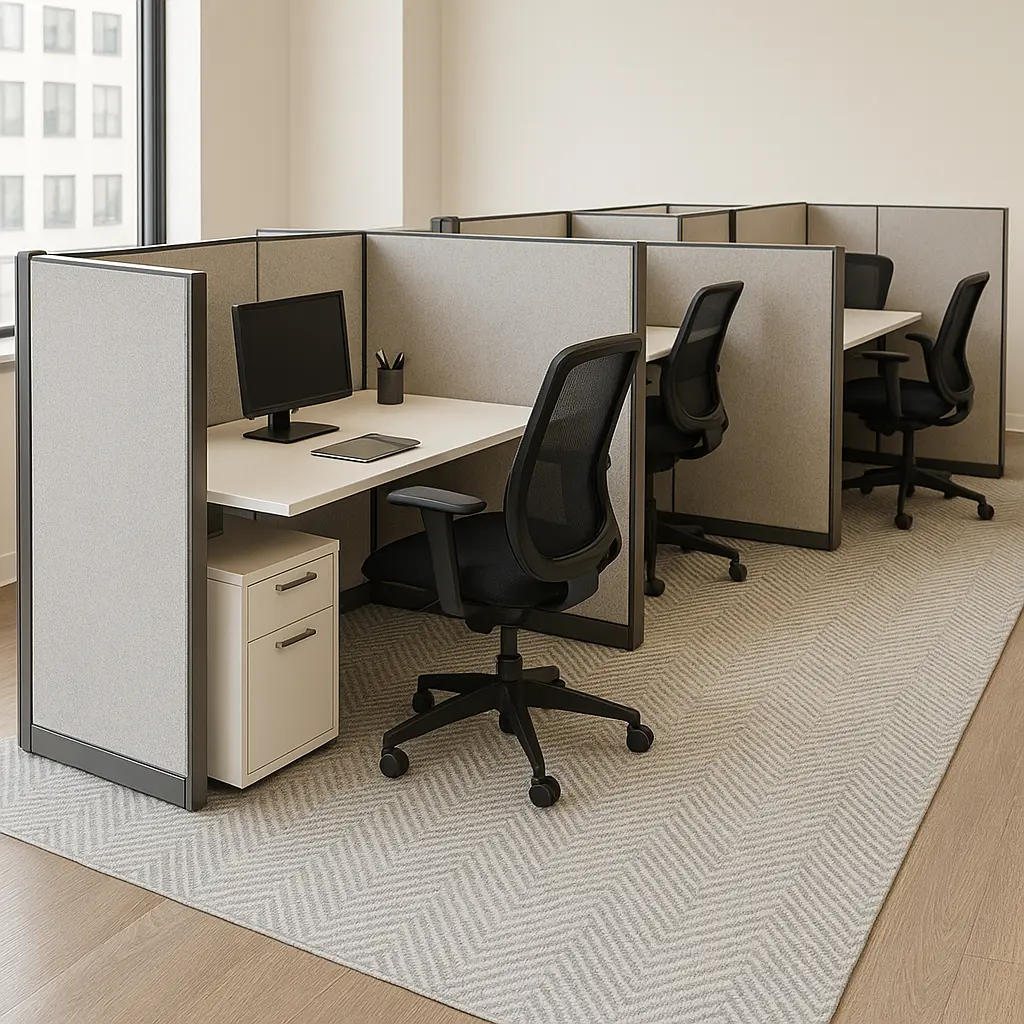
An Office Rug defines workspace psychologically and acoustically. 5x7 rugs fit compact desks, 6x9 rugs suit L-shaped configurations, while 8x10 office rugs work in executive spaces. Low-pile allows chairs to roll smoothly. Neutral colors enhance workspace decor without distraction.
Safe Stylish Steps
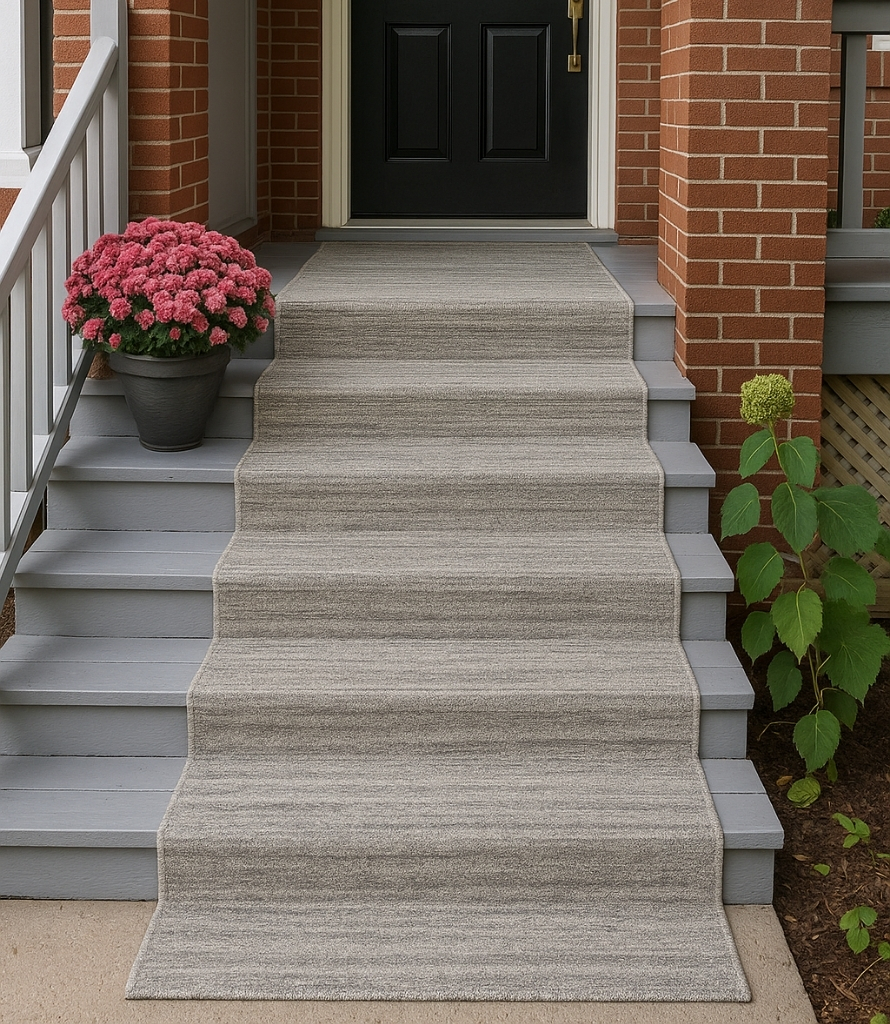
Stair Runners improve safety and elegance. A stair runner rug prevents slips on polished steps. Standard widths range 27-36 inches. Secure installation requires padding and rod systems. Choose durable, low-pile weaves with busy patterns that hide wear.
Focused Quiet Zone
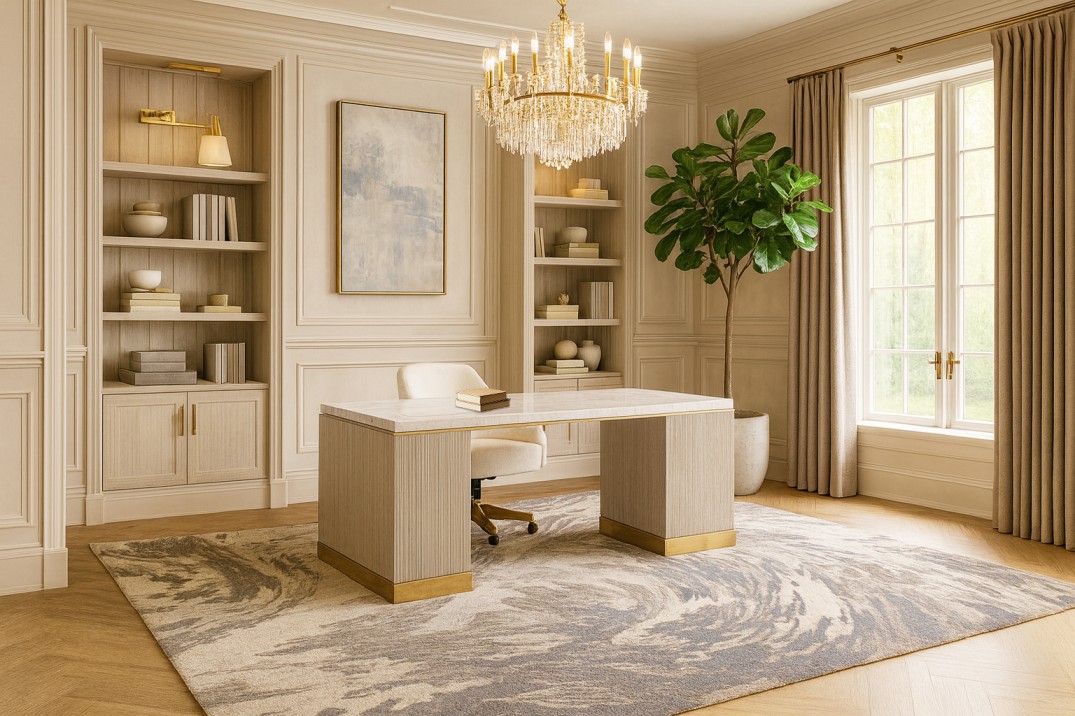
A study room rug dampens distracting noise for deeper concentration. 5x7 rugs fit single desks, while 6x9 rugs accommodate larger workstations. The correct study room rug size extends 18-24 inches beyond desk edges. Muted palettes support mental clarity.
Rug Care & Maintenance

Regular Vacuuming
Hand-tufted rugs need suction-only attachments—beater bars dislodge latex backing. Vacuum weekly in moderate areas, twice weekly in high-traffic zones. Hand-Knotted rugs tolerate standard settings but avoid fringes. Power-Loomed rugs handle all settings. Rotate rugs quarterly. This rug cleaning routine prevents embedded dirt.

Immediate Treatment
Act within minutes on spills. Blot with white cloths from edges inward—never rub. Mix cold water with pH-neutral soap (1:10), test first, then gently dab. This helps remove rug stains before they set. Works on wool rugs, cotton rugs and flatweave rugs. Call professionals for oil-based or mystery stains to spot clean rug safely.

Professional Cleaning
Schedule annual professional rug cleaning for investment pieces. Certified specialists use pH-balanced solutions and controlled moisture to prevent mildew and shrinkage. Hand-tufted rugs need low-moisture methods to protect latex backing. Experts remove embedded grit and moth larvae, preserving area rug integrity and extending luxury rugs and handmade rugs lifespan by decades.

Sunlight Protection
UV radiation fades dyes and degrades latex backing in hand-tufted rugs. Install UV-filtering film, close blinds during 10am-4pm or rotate rugs every six months. This helps protect rug colors from uneven fading. Crucial for vintage rugs with natural dyes and traditional rugs where fading destroys visual balance and value.
Regular Vacuuming
Hand-tufted rugs need suction-only attachments—beater bars dislodge latex backing. Vacuum weekly in moderate areas, twice weekly in high-traffic zones. Hand-Knotted rugs tolerate standard settings but avoid fringes. Power-Loomed rugs handle all settings. Rotate rugs quarterly. This rug cleaning routine prevents embedded dirt.
Immediate Treatment
Act within minutes on spills. Blot with white cloths from edges inward—never rub. Mix cold water with pH-neutral soap (1:10), test first, then gently dab. This helps remove rug stains before they set. Works on wool rugs, cotton rugs and flatweave rugs. Call professionals for oil-based or mystery stains to spot clean rug safely.
Professional Cleaning
Schedule annual professional rug cleaning for investment pieces. Certified specialists use pH-balanced solutions and controlled moisture to prevent mildew and shrinkage. Hand-tufted rugs need low-moisture methods to protect latex backing. Experts remove embedded grit and moth larvae, preserving area rug integrity and extending luxury rugs and handmade rugs lifespan by decades.
Sunlight Protection
UV radiation fades dyes and degrades latex backing in hand-tufted rugs. Install UV-filtering film, close blinds during 10am-4pm or rotate rugs every six months. This helps protect rug colors from uneven fading. Crucial for vintage rugs with natural dyes and traditional rugs where fading destroys visual balance and value.